Highlights
- Discover the evolution of dental braces and modern innovations transforming orthodontic care.
- Explore various orthodontic options designed for comfort, aesthetics, and effective treatment results.
Evaluating Orthodontic Treatment Options
Orthodontic treatments, primarily dental braces, address misaligned teeth and jaws to enhance oral function, health, and aesthetics. These devices aim to correct issues ranging from overcrowding and gaps to complex bite problems, improving chewing efficiency and reducing the risk of dental trauma. While offering significant benefits, treatments involve considerations such as discomfort, hygiene challenges, and varying costs, necessitating a thorough evaluation of options.
Comparison of Dental Braces Options
| Product/Service | Cost Estimation |
|---|---|
| Traditional Metal Braces | $3,000 – $7,000 |
| Ceramic Braces | $4,000 – $8,000 |
| Lingual Braces | $8,000 – $10,000 |
| Invisalign | $4,000 – $8,000 |
| Clear Aligners (Other Brands) | $3,500 – $6,500 |
| Retainers (Post-Treatment) | $150 – $500 |
Prices, rates, and cost estimates in this article reflect the most recent information available but may vary over time. Please conduct independent research before making any financial decisions.
The field has evolved from rudimentary ancient appliances to modern solutions like traditional metal braces, ceramic braces, lingual braces, and clear aligners (e.g., Invisalign). Each option presents distinct advantages and limitations concerning visibility, convenience, and suitability for specific orthodontic conditions. Patient-specific factors and preferences are crucial in determining the most appropriate appliance, making professional consultation essential for informed decision-making.
Understanding Different Appliance Types
Choosing an orthodontic appliance involves weighing aesthetics, cost, and effectiveness for individual needs. The primary categories include fixed options like metal, ceramic, and lingual braces, alongside removable clear aligners.
-
Traditional Metal Braces: These are the most common and cost-effective fixed treatment, typically ranging from $3,000 to $6,000 in the United States. Comprising stainless steel brackets and archwires, they are highly effective for correcting a broad spectrum of significant dental misalignments. Their durability and proven track record make them a reliable choice for many patients.
-
Ceramic Braces: Functionally similar to metal braces, ceramic options utilize tooth-colored or transparent brackets for a more discreet appearance. While the ceramic material resists staining, the elastic ties can discolor, requiring diligent hygiene. These braces often cost $500 to $1,000 more than metal braces and are frequently chosen by adults and teens prioritizing aesthetics.
-
Lingual Braces: Positioned on the back surfaces of the teeth, lingual braces are invisible from the outside, offering maximum discretion. They are custom-made for each patient to ensure comfort and effectiveness, but their placement can lead to speech difficulties, tongue irritation, and more challenging cleaning. Lingual braces typically represent a higher investment due to their customization and specialized placement.
-
Clear Aligners (e.g., Invisalign): These transparent, removable trays gradually move teeth without fixed brackets or wires, providing superior aesthetics and convenience. Aligners are popular for mild to moderate orthodontic issues, though they may not be suitable for more complex cases requiring precise, fixed control. Treatment relies on advanced digital technologies like 3D scanning and printing, and requires consistent patient compliance (20-22 hours daily wear) for optimal results.
The Orthodontic Treatment Process and Duration
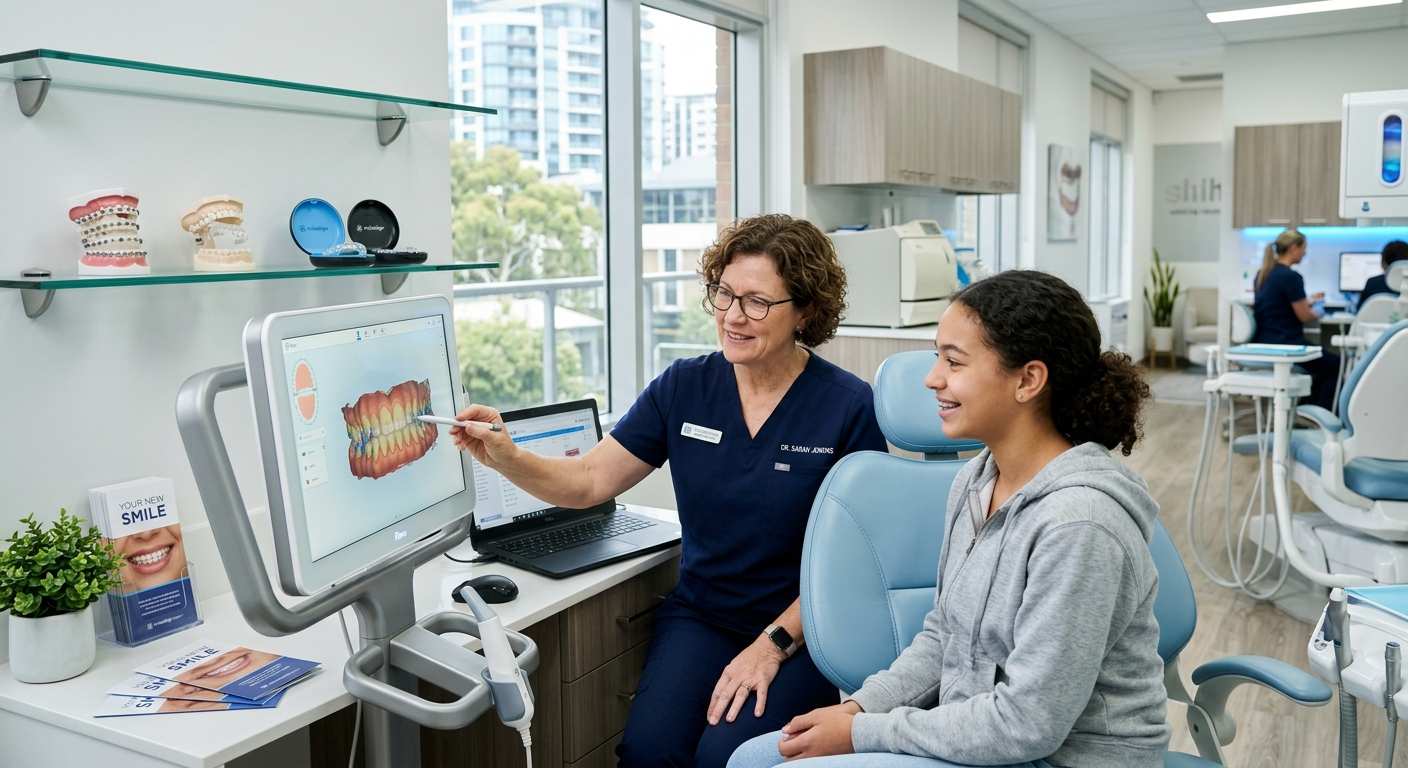
The orthodontic journey begins with a comprehensive evaluation by an orthodontist, involving X-rays and digital impressions to create a precise 3D model of the patient’s dental structure. This data informs a personalized treatment plan, outlining the projected tooth movements and final outcome.
For traditional braces, brackets are bonded to the teeth and connected by archwires, which apply continuous pressure to guide teeth into alignment over time. Modern advancements, such as self-ligating brackets, can reduce friction and potentially shorten treatment duration. Clear aligner treatments, in contrast, utilize a digital workflow where a series of custom-made aligners are fabricated based on a computer-aided design (CAD) simulation. Patients wear each aligner for one to two weeks, progressing through the series with periodic monitoring by the orthodontist.
Treatment duration varies significantly based on the appliance type and individual case complexity. Traditional metal braces typically require 18 to 24 months, while ceramic braces may take slightly longer due to material fragility. Clear aligners often complete treatment within 12 to 18 months, though this is heavily dependent on consistent patient compliance. Digital impression methods, like intraoral scanning, enhance accuracy and patient comfort compared to traditional physical impressions, streamlining the planning process and reducing chair time.
Key Considerations: Benefits, Risks, and Costs
Orthodontic treatment offers substantial benefits, including improved bite and chewing efficiency, reduced risk of dental trauma, and alleviation of speech difficulties or jaw pain. Properly aligned teeth are also easier to clean, which significantly lowers the likelihood of plaque buildup, cavities, and gum disease, contributing to long-term oral health.
However, patients should be aware of potential risks and considerations. Temporary discomfort is common, particularly after initial placement or adjustments, and can be managed with over-the-counter pain relievers and dental wax. Maintaining oral hygiene can be challenging with fixed braces due to wires and brackets, increasing the risk of plaque and cavities if not diligently cleaned. While digital methods for aligners offer comfort advantages, some patients may experience minor discomfort from scanning powder.
Cost is a significant factor, with traditional braces typically ranging from $5,000 to $7,000, and custom options like lingual braces potentially increasing this price. Clear aligners generally cost more than traditional braces, though in-office fabrication can sometimes reduce expenses. The suitability of an appliance also varies; removable aligners may not be effective for severe alignment issues that necessitate the precise control offered by fixed devices. It is important to note that while automated digital analyses aid clinical evaluation, manual measurements can sometimes provide higher precision for detailed assessments.