How Laser Vision Correction Changes the Shape of the Cornea and Why It Can Improve Nearsighted Vision
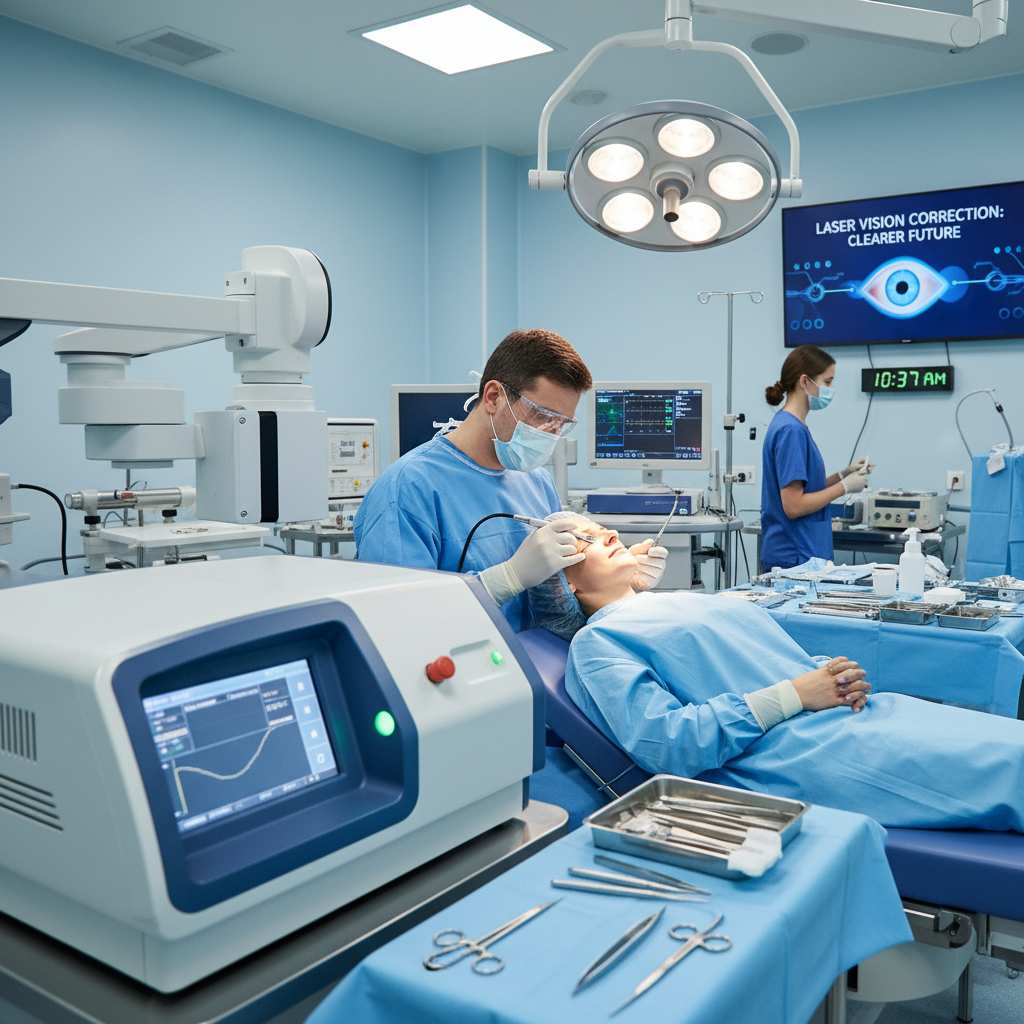
Highlights
- Laser vision correction can significantly enhance vision without glasses or contacts.
- Advances in techniques promise improved outcomes and safety for myopia patients.
Summary
Laser vision correction improves nearsightedness (myopia) by reshaping the cornea, the eye’s front surface, to enhance light focusing on the retina. Myopia occurs when the cornea’s curvature causes light to focus in front of the retina, leading to blurred distance vision. Adjusting the corneal shape through techniques like LASIK enables better focus, often negating the need for corrective lenses.
Comparison of Laser Vision Correction Options
| Product/Service | Cost Estimation |
|---|---|
| LASIK Surgery | $2,000 – $3,000 per eye |
| PRK Surgery | $1,500 – $2,500 per eye |
| LASEK Surgery | $2,000 – $3,000 per eye |
| SMILE (Small Incision Lenticule Extraction) | $2,500 – $4,000 per eye |
| Vision Correction Consultation | $100 – $300 |
| Post-Operative Follow-Up | $50 – $150 |
Prices, rates, and cost estimates in this article reflect the most recent information available but may vary over time. Please conduct independent research before making any financial decisions.
Common procedures, including LASIK, PRK, and SMILE, utilize excimer lasers to reshape the cornea by removing tissue in precise patterns, tailored to each patient’s refractive error. Although these advancements improve visual outcomes, proper patient selection, surgical planning, and postoperative care are vital to minimize potential side effects, such as dry eyes and visual aberrations.
Nearsighted Vision (Myopia)
Myopia is characterized by blurred distance vision because light rays focus in front of the retina due to an elongated eyeball or an overly steep cornea. This refractive error often develops in childhood and can worsen with growth. Correction methods include eyeglasses, contact lenses, and laser surgery, all aiming to improve how light enters the eye.
Understanding myopia is essential for effective treatment as its prevalence continues to rise globally. Procedures like LASIK offer a permanent correction by reshaping the cornea to enhance focus accuracy, providing significant improvements in visual clarity.
Anatomy and Optical Properties of the Cornea
The cornea is crucial for bending light to focus images on the retina, consisting of five layers that collectively determine its optical properties. The stroma, making up 90% of the cornea’s thickness, is pivotal in the eye’s shape and biomechanics. Alterations in the cornea’s structure, whether due to pressure changes or surgical modification, can affect refractive power and clarity, impacting vision quality.
Refractive errors arise when the cornea and eye’s axial length do not align correctly, necessitating interventions to correct how light is focused. Knowing the cornea’s anatomy aids in understanding the mechanics of laser vision correction processes.
Principles of Laser Vision Correction
Laser vision correction alters corneal shape to improve light focus on the retina, correcting refractive errors. The core method involves using an excimer laser to remove precise amounts of corneal tissue, modifying curvature to achieve desired visual acuity.
Techniques like LASIK, PRK, and SMILE differ in accessing and reshaping the cornea but share the goal of adjusting the eye’s optical power. Advances like custom refractive surgery allow for personalized treatment plans, enhancing the accuracy and effectiveness of the correction.
Corneal Shape Changes During Laser Vision Correction
Laser correction procedures flatten the corneal curvature in myopic eyes by removing tissue, allowing light to focus correctly on the retina. The process involves creating and lifting a flap, with precise laser ablation transforming the cornea. Even small changes in curvature significantly influence focusing power, requiring meticulous execution to avoid complications like scarring or irregularities.
Understanding the biomechanical properties of the cornea is essential to anticipate how reshaping will affect visual outcomes and healing stability.
Biological Response and Healing of the Cornea
Post-surgery, the cornea undergoes biological healing as it stabilizes in its new shape. The corneal flap adheres naturally but does not regain full strength, which can pose risks for rupture in the long-term. Patients should be educated about postoperative care to optimize recovery and avoid complications.
During healing, various biological processes can impact refractive stability. Monitoring patient recovery and understanding healing dynamics can help manage expectations and outcomes effectively.
Impact of Corneal Reshaping on Nearsighted Vision
LASIK effectively corrects myopia by reshaping the cornea, allowing light to focus directly on the retina. Accurate calculations of corneal curvature adjustments are essential for achieving optimal vision results, as improper modifications may lead to suboptimal outcomes.
Patients often attain significant improvements in visual acuity post-surgery, enhancing their daily activities and reducing reliance on corrective lenses. Individual factors during recovery may influence the extent of visual improvement and satisfaction with results.
Risks, Side Effects, and Complications
Patients considering laser vision correction should weigh potential risks, including incomplete correction or complications related to the corneal flap. Side effects like dry eyes are common and can affect visual comfort during recovery, necessitating patient awareness and realistic expectations.
Individual suitability for surgery must also be assessed, as certain conditions may preclude effective LASIK outcomes. Discussions with clinicians regarding personal health factors are vital for informed decision-making.
Advancements in Laser Vision Correction
Innovations in laser vision correction enhance precision and safety, allowing for tailored treatments addressing both lower- and higher-order aberrations. Custom wavefront-guided procedures enable the correction of individual visual imperfections, resulting in better outcomes for patients.
These advancements reflect ongoing improvements in laser techniques, contributing to broader options for effective refractive surgeries.
Alternatives to Laser Vision Correction
For those unsuitable for laser procedures, alternatives like clear lens extraction offer viable options. This involves removing the natural lens and implanting an artificial one to correct refractive errors, particularly for high degrees of myopia.
Patients should engage in thorough discussions about the advantages and limitations of various treatments, including individual health factors that may influence the chosen procedure. Comprehensive evaluations help ensure optimal results and satisfaction.
Recovery Process and Patient Experience
The recovery timeline after laser vision correction often entails immediate improvements, although full stabilization can take several days. Individual experiences may vary based on several factors, with clear instructions from eye care professionals aiding in the healing process.
Following recovery, many patients achieve significant vision enhancements, improving their quality of life. Regular follow-ups are essential to monitor eye health and ensure lasting visual results, helping to maintain vision stability over time.