Step-by-Step LASIK Eye Surgery Guide: Everything You Need to Know for Vision Correction in 2026
Highlights
- LASIK offers rapid visual recovery with over 90% of patients achieving 20/20 vision.
- Personalized treatment plans ensure optimal safety and outcomes for all LASIK candidates.
Summary
Laser-Assisted In Situ Keratomileusis (LASIK) is a prevalent refractive eye surgery aimed at correcting vision problems like myopia, hyperopia, and astigmatism by reshaping the cornea with lasers. Since its evolution in the 1990s, LASIK has become a preferred solution globally, thanks to advancements such as femtosecond laser technology and wavefront-guided ablation, which enhance both safety and efficacy. A thorough preoperative assessment, focusing on ocular health and psychological readiness, determines a candidate’s eligibility, ensuring risks are minimized.
LASIK Eye Surgery Cost Comparison
| Service Type | Cost Estimation |
|---|---|
| Initial Consultation | 10,000 – 20,000 AMD |
| Pre-Operative Testing | 15,000 – 30,000 AMD |
| LASIK Procedure | 200,000 – 600,000 AMD |
| Post-Operative Follow-Up | 5,000 – 15,000 AMD |
| Potential Complications Treatment | 20,000 – 50,000 AMD |
| Vision Correction Awareness Session | 5,000 – 10,000 AMD |
Prices, rates, and cost estimates in this article reflect the most recent information available but may vary over time. Please conduct independent research before making any financial decisions.
The success rate of LASIK is high, with approximately 99% of patients achieving functional vision and over 90% reaching 20/20 post-surgery. Continuous monitoring is crucial due to possible side effects such as dry eyes and visual disturbances. Patients unsuitable for LASIK can explore alternatives like implantable collamer lenses, stressing the need for personalized treatment planning in refractive surgery.
Eligibility and Candidate Assessment
Eligibility for LASIK is determined through a comprehensive medical evaluation, which assesses eye health and the potential for successful outcomes. Criteria include corneal thickness, stability of vision, and the absence of certain health conditions. For example, candidates with corneas thinner than 500 microns or those experiencing recent vision fluctuations may be deemed unsuitable, reinforcing the need for careful assessment.
Psychological readiness is also essential; patients with stable psychiatric conditions typically fare better. It’s vital to manage expectations through thorough pre-surgery counseling, enabling alignment between patient goals and realistic outcomes. Additionally, those not eligible for LASIK can consider alternative corrective procedures, ensuring that every patient finds a suitable approach tailored to their needs.
Preoperative Evaluation and Preparation
The preoperative evaluation process includes detailed eye examinations to assess corneal characteristics and visual acuity. Tests such as corneal topography and pachymetry are essential to rule out conditions that might compromise surgery, especially important for assessing corneal thickness. This thorough investigation informs the surgeon’s analysis, ensuring only those who are suitable proceed with LASIK.
During consultations, patients should discuss their questions and concerns, allowing for informed consent. Pre-surgery education enhances patient comfort and preparedness, which is crucial for a successful outcome. Notably, addressing any pre-existing conditions, such as dry eye syndrome or pregnancy, ensures a greater probability of a smooth recovery post-surgery.
Surgical Procedure
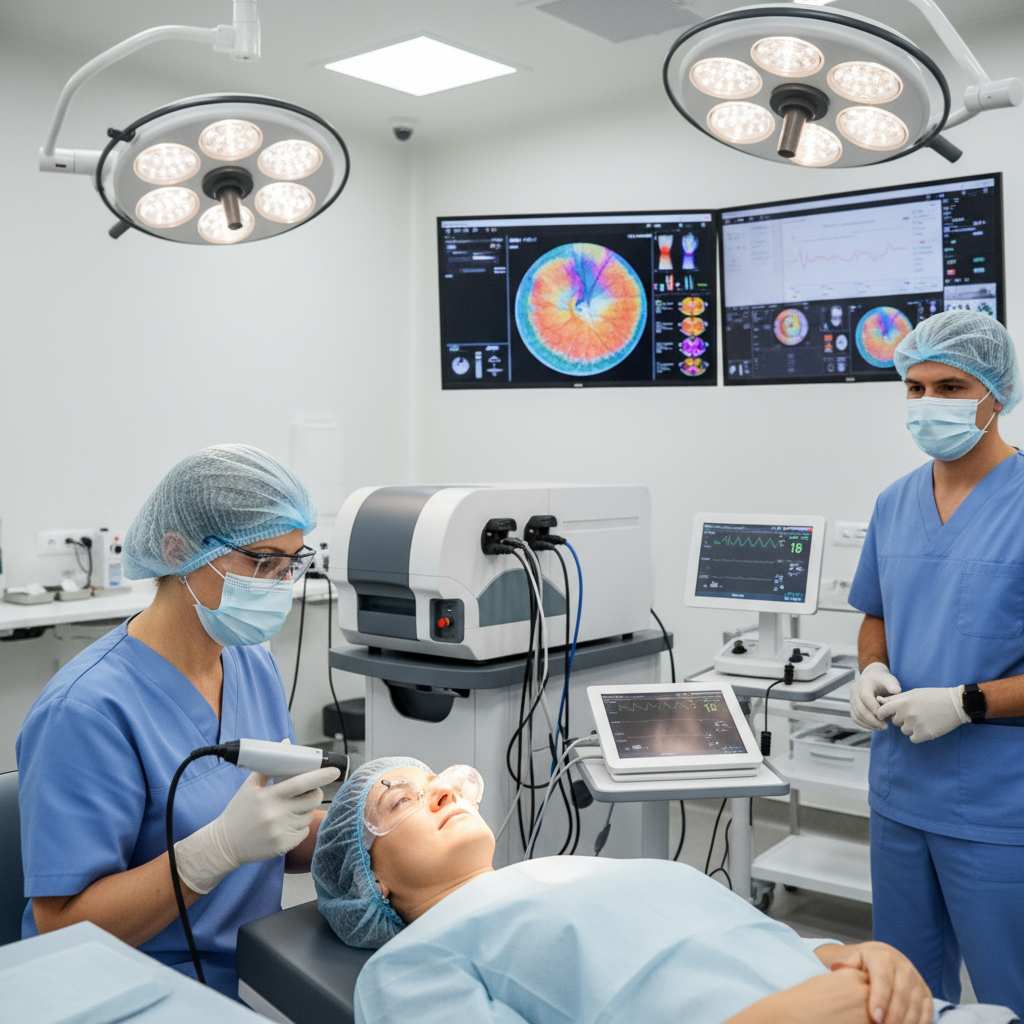
LASIK is performed using advanced laser technologies that ensure precision in reshaping the cornea. The procedure generally lasts less than 30 minutes, beginning with anesthetic eye drops for comfort. The creation of a corneal flap using femtosecond lasers marks a critical step, enhancing safety and minimizing complications compared to traditional methods.
Following flap creation, the excimer laser reshapes the corneal tissue to correct refractive errors, informed by detailed mapping of the eye. Innovations, such as eye-tracking systems, ensure accuracy during the procedure. While visual improvements are often seen soon after, complete healing may take up to a year, necessitating follow-up care to monitor recovery and ensure optimal results.
Postoperative Care and Recovery
Post-LASIK recovery is essential for achieving the best visual outcomes. Patients should rest their eyes and follow specific postoperative care instructions to minimize complications. Avoiding eye rubbing is crucial during recovery to prevent dislodging the corneal flap.
Visual improvements often occur quickly, but full recovery may take time, with regular follow-up appointments necessary to track healing. Management of dry eye symptoms is important, requiring continued adjustment of treatment strategies to improve comfort post-surgery. Adhering to hygiene practices, such as avoiding makeup, will further reduce the risk of infection during this period.
Laser Technologies in LASIK
Key to LASIK efficacy are the excimer and femtosecond lasers, each serving critical roles in the procedure. Excimer lasers precisely reshape the cornea to correct refractive errors, while femtosecond lasers are utilized to create the corneal flap, enhancing accuracy and minimizing complications associated with traditional methods.
These technologies are subject to rigorous FDA testing to ensure both safety and effectiveness. Continuous advancements in laser technology aim to improve precision and broaden applications, indicating a transformative future for vision correction procedures.
Technological Innovations and Future Directions
The LASIK landscape is evolving, with innovations enhancing both precision and accessibility. Next-generation laser systems incorporate advanced data analytics, significantly improving surgical outcomes. For instance, technologies like the Wavelight Plus system utilize extensive biometric data for customized treatment plans, boosting the likelihood of successful visual restoration.
As the ophthalmic market expands, innovations also address logistical challenges, including mobile eye surgery units for rural areas. Ongoing research will likely further refine laser technologies, promising safer and more effective vision correction solutions in coming years.
Outcomes and Effectiveness
LASIK surgery tends to yield substantial improvements in visual acuity and overall quality of life shortly after the procedure. Most patients experience enhanced vision, resulting in reduced reliance on corrective eyewear. Studies also indicate that those with stable psychiatric conditions report high levels of satisfaction following LASIK, often experiencing a boost in mental well-being.
Even with the generally high success rates, awareness of potential long-term effects is important, as vision loss can occur post-surgery. Continued evaluations by health organizations help monitor patient outcomes and refine LASIK practices.
Psychological Considerations and Patient Support
Psychological factors significantly influence LASIK patients’ experiences and satisfaction. Research suggests that adequate psychological evaluations and educational support can alleviate pre-surgery anxieties, paving the way for better patient experiences overall. Surgeons should work closely with patients, particularly those with psychiatric histories, to ensure stability and build confidence in handling the surgical process.
Incorporating relaxation techniques, alongside thorough pre-surgical counseling, can help manage stress and enhance emotional well-being. Supporting patient education throughout the LASIK journey encourages informed choices and promotes stronger outcomes.
Comparison with Other Vision Correction Methods
While LASIK is a leading solution for vision correction, understanding alternative methods is crucial for patients. Advanced systems like Wavelight Plus are noted for superior visual outcomes compared to procedures like SMILE Pro, largely due to customized treatments based on extensive eye data.
Additionally, comparisons with other techniques such as PRK, which involves longer recovery times, highlight the benefits LASIK offers in terms of comfort and expedience. Innovations across the board ensure diverse options for patients, emphasizing personalized approaches to vision correction in every case.