Step-by-Step LASIK Eye Surgery Guide: Everything You Need to Know for Vision Correction in 2026
Highlights
- LASIK’s advancements ensure precise and personalized vision correction, enhancing patient satisfaction and outcomes.
- Explore alternative procedures and stay informed on evolving trends in vision correction for 2026.
Overview
L LASIK Eye Surgery: 2026 Insights offers essential information about Laser-Assisted In Situ Keratomileusis (LASIK), a prevalent procedure for correcting refractive errors like myopia, hyperopia, and astigmatism. This guide outlines the LASIK journey from preoperative evaluations to surgical processes and postoperative care involving modern technologies that enhance accuracy and personalization. In 2026, advancements like femtosecond lasers, real-time eye tracking, and digital twin modeling are improving patient outcomes and satisfaction, although the procedure’s popularity has waned due to emerging alternatives and evolving patient preferences.
Preoperative Evaluation and Patient Suitability
A thorough preoperative assessment is critical for determining suitability for LASIK. This evaluation includes a comprehensive medical history, physical examination, and specialized tests like corneal topography to identify risks such as keratoconus and tear film stability. Patients with significant higher-order aberrations may not qualify for standard LASIK, as these issues could result in postoperative visual symptoms. Early identification of contraindications ensures that only suitable candidates proceed, enhancing safety and potential success rates of the surgery.
Technological Enhancements
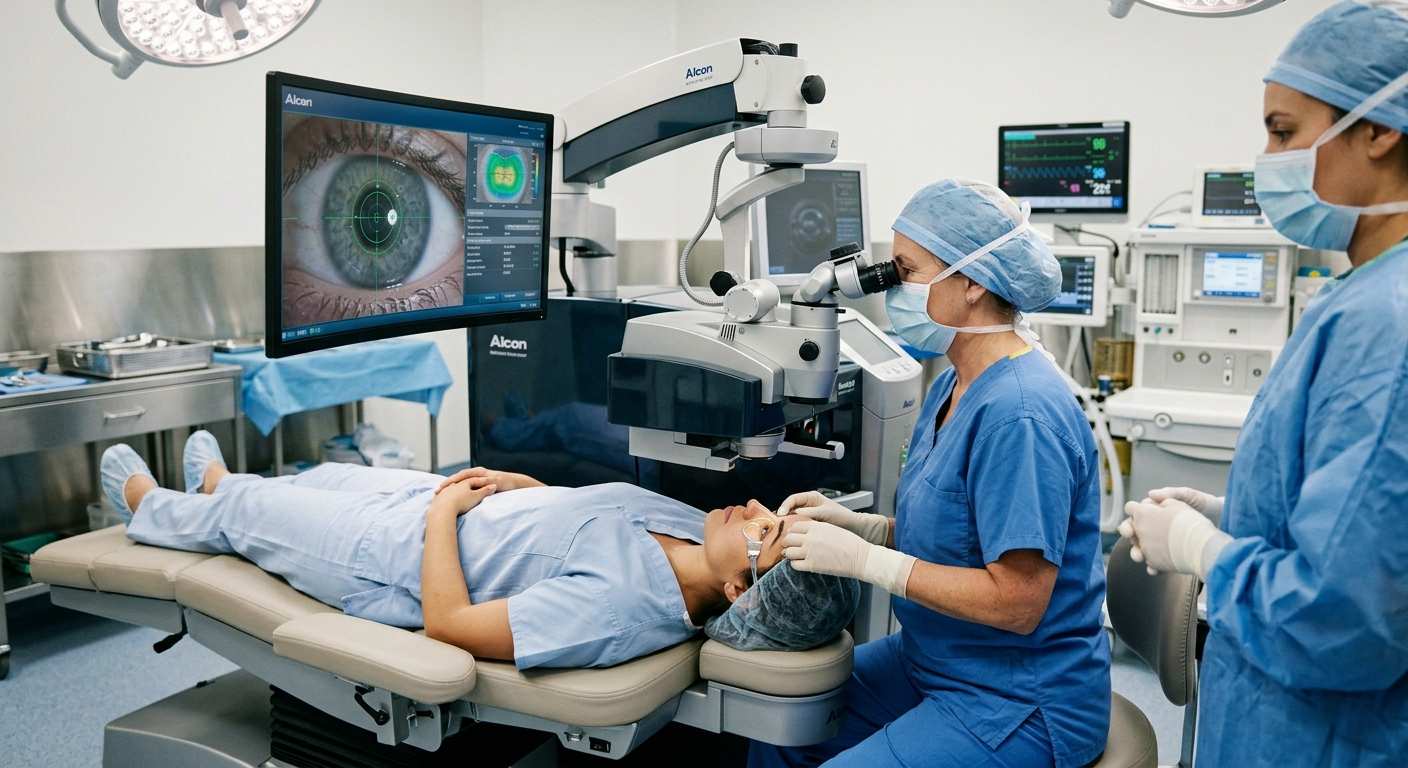
By 2026, LASIK has seen remarkable technological improvements that render procedures more precise and comfortable. Enhanced femtosecond laser systems create corneal flaps with heightened accuracy, while real-time eye tracking capabilities mitigate involuntary movements, markedly improving surgical outcomes. The advent of digital twin technology allows for treatments customized to each patient’s unique eye characteristics, achieving enhanced visual corrections and reducing the occurrence of side effects like halos. These innovations illustrate the trend towards highly personalized care in refractive surgery.
Postoperative Care and Recovery
Effective postoperative care is vital for ensuring healing and optimal visual results following LASIK. Patients receive a care plan that emphasizes the importance of avoiding eye rubbing and adhering to prescribed medications, which include antibiotics and anti-inflammatories. Regular follow-up appointments are essential to monitor recovery progress over several months, as fluctuations in vision are common initially. Awareness of these potential side effects and the prescribed care regimen fosters a smooth recovery and enhances patient satisfaction with the procedure.
Alternatives and Accessibility
For patients unsuitable for LASIK due to factors such as high prescriptions or corneal thickness, alternatives like EVO Implantable Collamer Lens (EVO ICL) and Refractive Lens Exchange (RLE) are available. Newer techniques like SMILE Pro reduce invasiveness and may alleviate dry eye symptoms by preserving corneal integrity. Despite LASIK’s recognized effectiveness, its market presence has declined, prompting potential candidates to explore a range of options tailored to their specific vision needs and lifestyle considerations.