Step-by-Step LASIK Eye Surgery Guide: Everything You Need to Know for Vision Correction in 2026
Highlights
- LASIK combines advanced technologies for rapid, minimally invasive vision correction in 2026.
- Careful patient selection and support are crucial for achieving optimal LASIK outcomes.
Summary
This guide offers essential insights into LASIK (Laser-Assisted In Situ Keratomileusis), emphasizing its status as a leading vision correction option in 2026. The procedure reshapes the cornea using advanced laser technologies, enabling patients to gain independence from glasses or contact lenses. Candidates must undergo thorough evaluations to assess ocular health and readiness, with a focus on minimizing risks such as dry eye syndrome and visual disturbances. Innovations like personalized 3D eye modeling enhance precision, while ongoing advancements ensure LASIK remains a viable option amid evolving alternatives.
LASIK Eye Surgery Cost Comparison
| Product/Service | Cost Estimation |
|---|---|
| Consultation Fee | $100 – $300 |
| Surgery (per eye) | $2,000 – $4,000 |
| Pre-Operative Tests | $200 – $500 |
| Post-Operative Care | $100 – $400 |
| Laser Technology Type | $1,500 – $3,500 |
| Retreatment (if necessary) | $500 – $1,500 |
Prices, rates, and cost estimates in this article reflect the most recent information available but may vary over time. Please conduct independent research before making any financial decisions.
History and Development
LASIK’s evolution began in the 1950s, but the modern procedure took shape with the introduction of excimer lasers in the 1980s, which allowed for precise corneal reshaping. Enhancements throughout the 1990s and into the present have refined LASIK, incorporating techniques like wavefront-guided ablation and femtosecond lasers for better outcomes and reduced risks. Despite fluctuations in popularity, technological innovations have kept LASIK at the forefront of refractive surgery options.
Eligibility and Candidate Selection
Evaluating LASIK candidacy involves comprehensive assessments of ocular health, refractive stability, and individual health factors. Key measures include visual acuity tests and detailed corneal evaluations, as conditions such as keratoconus or thin corneas can disqualify candidates. Psychological readiness is also crucial, as mental health conditions may affect surgical outcomes and satisfaction. Surgeons carefully consider these factors to ensure safe and successful procedures.
Preoperative Evaluation and Preparation
Before LASIK, thorough preoperative evaluations determine candidacy and tailor surgical plans. Candidates undergo extensive eye examinations and diagnostic tests to assess corneal health and stability. Education about the procedure, recovery, and potential side effects forms a crucial component of the pre-surgical process, ensuring more informed decisions and better outcomes.
Candidate Screening and Diagnostic Testing
Comprehensive screening includes evaluating systemic health and ocular conditions that could contraindicate surgery. Candidates must ideally be over 21 with stable refractive error, while advanced diagnostic tools assess corneal characteristics critical for successful surgery. Education about the procedure helps set realistic expectations, which is vital for postoperative satisfaction.
Preoperative Clinical Protocols
Day-of-surgery protocols are critical for ensuring patient safety and procedure efficiency, including confirming consent and preparing the surgical area. Maintaining clear communication with patients helps alleviate anxiety and prepare them for the procedure.
Surgical Procedure
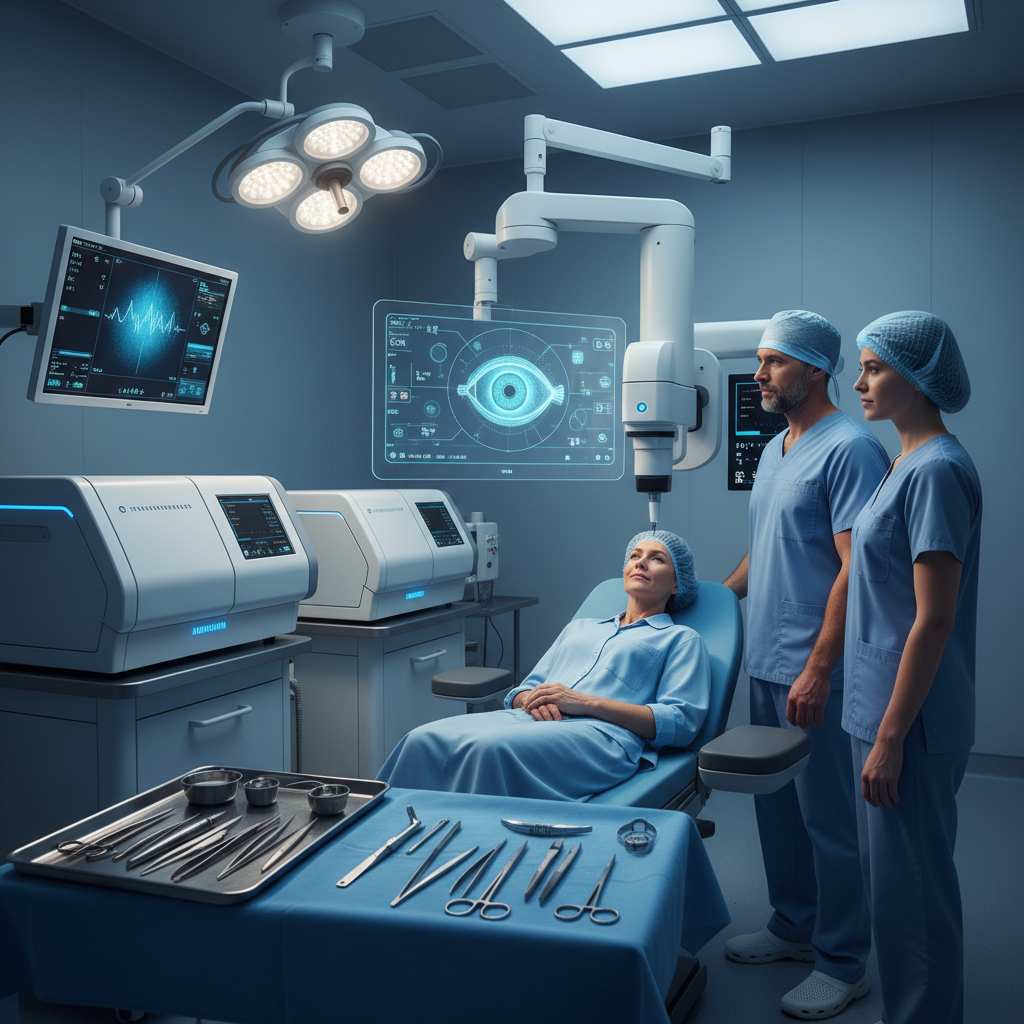
LASIK is typically a quick, minimally invasive process completed within 30 minutes. Patients receive numbing drops, and the surgeon creates a corneal flap using either a femtosecond laser or a microkeratome. The excimer laser then reshapes the cornea with precision, correcting refractive errors. Real-time eye tracking technologies enhance accuracy during treatment, particularly for complex prescriptions that require tailored approaches.
Laser Technologies in LASIK
The effectiveness of LASIK hinges on advanced laser technologies, particularly femtosecond and excimer lasers. Femtosecond lasers enhance flap creation, ensuring safety and accuracy, while excimer lasers are critical for reshaping the cornea effectively. Continuous advancements in these platforms improve outcomes through increased precision and safety during procedures.
Postoperative Care and Recovery
Post-surgery, patient care is vital for recovery. Adhering to prescribed medications and avoiding eye strain are essential to promote healing. Regular follow-up appointments allow for the monitoring of recovery and early intervention if complications arise, ensuring optimal outcomes.
Outcomes and Effectiveness
LASIK surgery effectively enhances visual acuity for most patients, contributing to improved quality of life. Although some individuals may experience side effects, most recover quickly and achieve successful vision outcomes. Personalized evaluations and modern technologies have a significant impact on the effectiveness of LASIK, especially for patients with complex vision needs.
Risks and Complications
While LASIK is generally safe, potential risks include permanent vision changes and postoperative complications linked to preexisting mental health conditions. Understanding these risks is crucial, as careful patient selection and thorough evaluations can help mitigate concerns related to dry eye syndrome and other side effects.
Psychological Aspects of LASIK Surgery
Psychological readiness significantly impacts LASIK outcomes. Addressing patient education and expectations naturally reduces anxiety surrounding the procedure. Patients with stable psychiatric conditions may still proceed, provided those conditions are managed, thus improving the chances of a successful surgical experience.
Comparison with Other Vision Correction Methods
Compared to PRK and SMILE, LASIK often offers quicker recovery and customization options tailored to individual needs, particularly with innovations like wavefront-guided laser systems. While alternatives exist, LASIK continues to stand out for its effectiveness and reduced postoperative discomfort, making it a popular choice among those seeking vision correction.
Innovations and Future Directions
The landscape of LASIK surgery is evolving with advancements in laser technology and treatment customization. Future developments promise to enhance precision and patient comfort, integrating systems such as the Light Adjustable Lens for tailored vision correction. Ongoing research and trend shifts towards portable laser technologies may further improve accessibility and safety in eye care, shaping LASIK into a more personalized procedure.